
Leadership
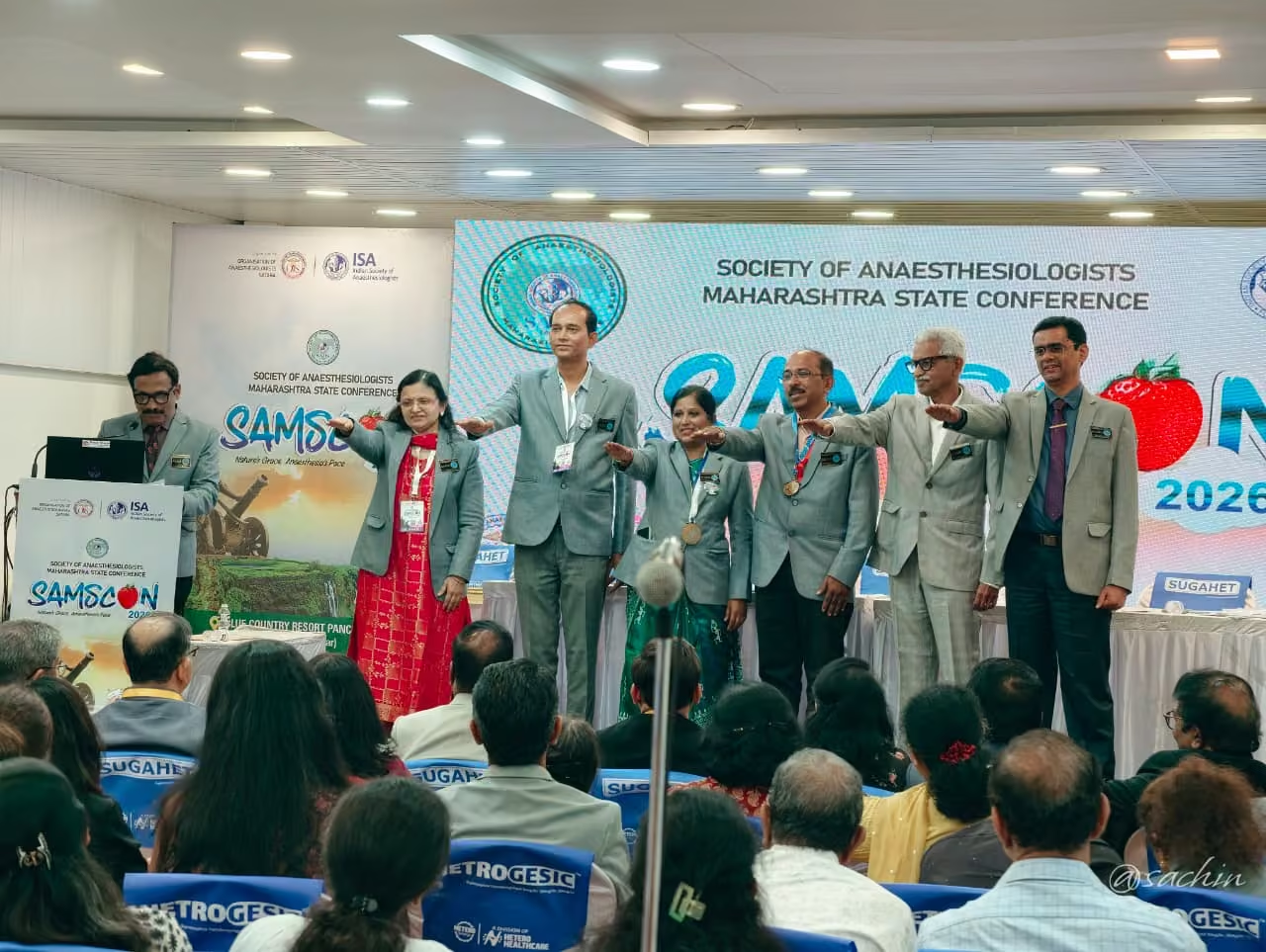
Dr. Saurabh Barde installed as President-Elect, SAMS 2026–27
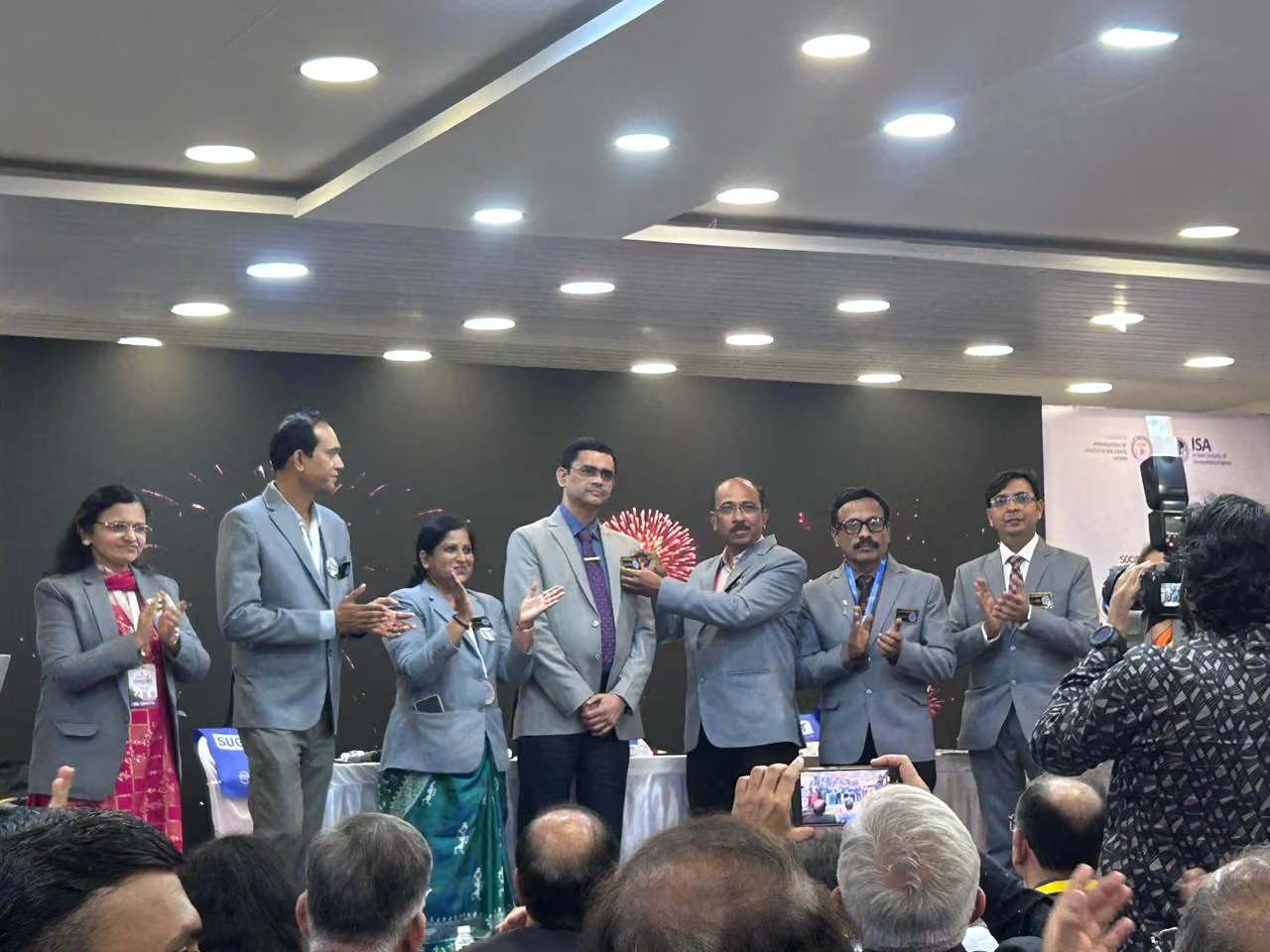
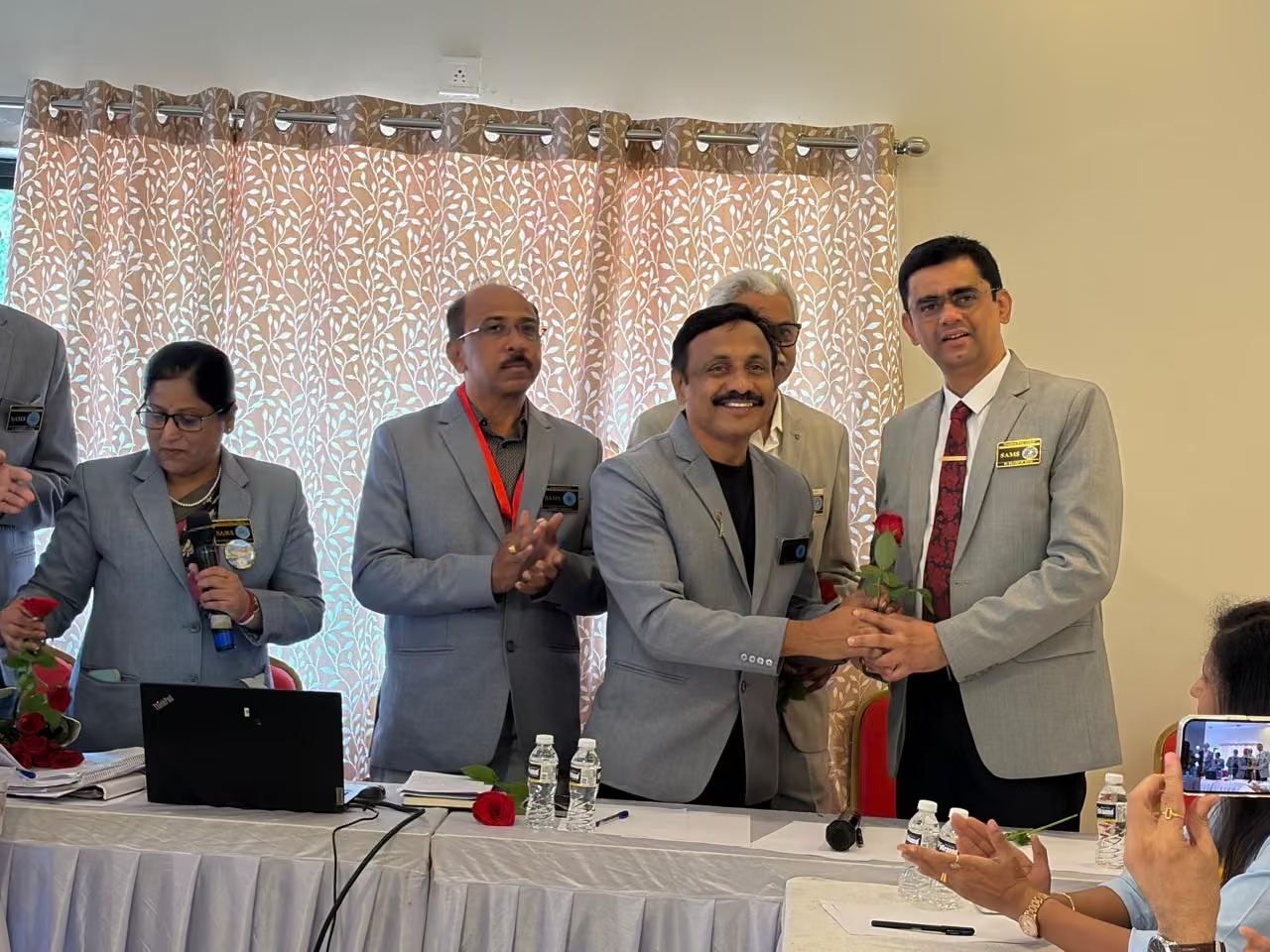
Dr. Saurabh Barde was formally installed as President-Elect of the Society of Anaesthesiologists Maharashtra State (SAMS) for 2026–27 at SAMSCON 2026.
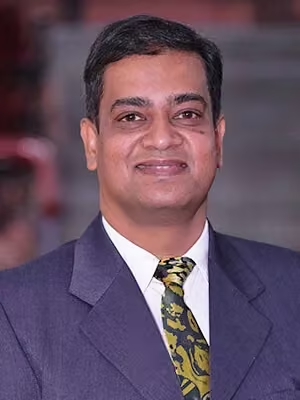
It is with immense pride, gratitude and a profound sense of responsibility that I assume the office of President of the Indian Society of Anaesthesiologists, Nagpur City Branch, for the year 2026–27. This year becomes even more special and meaningful for me as we have an exciting opportunity ahead of us — to host ISCON 2027, the National Conference of the Indian Society of Anaesthesiologists, in Nagpur after a gap of 26 years. Such a prestigious responsibility cannot be shouldered by one individual or a small team alone. It will require the collective wisdom of our seniors, the experience of our past office bearers, the enthusiasm of our younger colleagues, and the wholehearted participation of every ISA NCB member.
I believe leadership in a professional society is not merely a position; it is an opportunity to serve, to listen, to connect and to create a meaningful difference. I am fortunate to embark on this journey with a committed and enthusiastic team, and with the continued support of the vibrant ISA Nagpur City Branch family.
These three words represent not just a slogan, but the philosophy that will guide our tenure.

Excellence has always been at the core of anaesthesiology. Our specialty has transformed dramatically over the decades. From the operating theatre, anaesthesiologists have become integral to critical care, trauma, emergency medicine, pain medicine, perioperative medicine, transplantation, obstetric care and numerous other areas of healthcare. We stand at the intersection of science, technology, decision-making and compassionate patient care.
But excellence truly acquires meaning when it is inclusive. ISA Nagpur is a diverse family, bringing together anaesthesiologists from government institutions, medical colleges, corporate and private hospitals, nursing homes and independent practice. We have senior consultants with decades of experience, young consultants building their careers, postgraduates full of aspirations and colleagues working in emerging areas of our specialty.
Every voice matters. Every contribution matters. During this tenure, our endeavour will be to create an environment where experience is shared, young talent is encouraged, ideas are welcomed and opportunities are accessible to all. We hope to:
Our responsibility as anaesthesiologists extends far beyond the operation theatre. Through public awareness, community service, pain relief, and compassionate care, we aim to serve society and touch lives, making our speciality more accessible, humane, and meaningful.
We also aspire to take our academic activities beyond conventional formats. Learning should be engaging, interactive and relevant to the challenges we face every day in clinical practice. At the same time, our Society should provide opportunities to celebrate our friendships, recognise achievements and nurture the sense of belonging that makes ISA Nagpur special.
Our journey forward must also recognise the changing face of anaesthesiology. Technology, artificial intelligence, simulation, point-of-care ultrasound, precision medicine and evolving perioperative practices are reshaping our specialty. We must be prepared not merely to adapt to these changes, but to lead them.
And we cannot do this alone.
“Ahead Together” is therefore the most important part of our theme. Progress becomes meaningful when it is collective. Let us replace individual silos with collaboration, competition with healthy exchange, and hierarchy with mentorship. Let us build bridges between institutions, generations and different streams of practice.
As we begin this new chapter, I invite every member of ISA Nagpur to participate—not merely as an audience, but as a partner, contributor and stakeholder. Let us make this a year where every member feels included, every idea finds a platform, every achievement is celebrated and every step forward takes our entire fraternity with it.
Let us move forward—with purpose, with pride, and always, Ahead Together.
With warm regards,
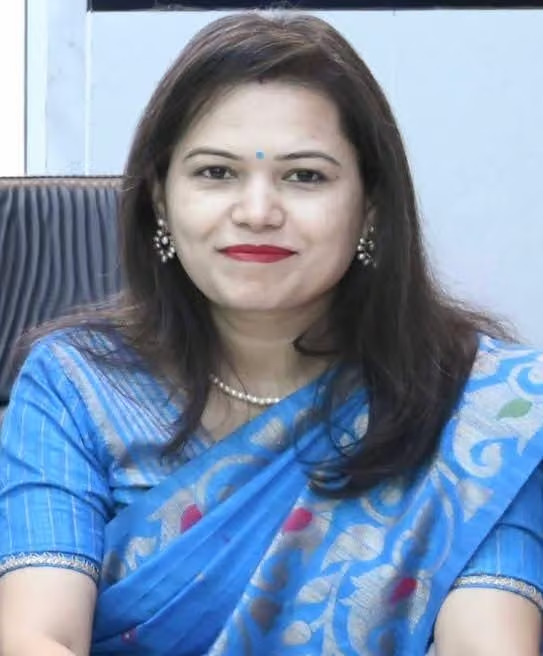
It is my privilege and honour to share this message as the Honorary Secretary of the Indian Society of Anaesthesiologists, Nagpur City Branch (ISANCB) for the year 2026–27.
Anaesthesiology may often be perceived as an invisible specialty, but its impact is felt in every life saved, every pain relieved, and every heartbeat restored. From the operating theatre and ICU to the labour room, trauma care, pain clinics, and emergency resuscitation, the anaesthesiologist remains a vigilant and compassionate guardian of patient safety.
This year, ISA NCB moves forward with our core vision, driven by three key initiatives.
These monthly webinars will promote continuous learning through academic updates in Anaesthesia, Critical Care, and Pain Management. Additionally, the series will feature dedicated sessions on personal finance, legal awareness, stress management, work-life balance, and career guidance.
We are proud to launch NRAC, a dedicated platform for teaching, training, and hands-on workshops in regional anaesthesia. This club will focus on ultrasound-guided and PNS-guided blocks for both postgraduate students and practising anaesthesiologists of the ISA Nagpur City Branch.
This initiative will systematically document our branch’s constitution, the history of our office bearers, awards, past awardees, and major milestones. This compilation will be shared with all members, culminating in an engaging quiz competition based on our branch history and academic activities.
Our mission reminds us that our responsibilities extend far beyond the operating theatre. We show our care when we provide painless labour, resuscitate a newborn, manage critically ill patients in the ICU, or relieve suffering through dedicated pain management. We serve society when we empower ordinary citizens with life-saving skills through Compression-Only Life Support (COLS) training.
Through ISA NCB, we aspire to transform Nagpur into a COLS-trained city, guided by our ultimate dream: “Har Nagrik, Life Saver Nagrik” (Every Citizen, a Life Saver). Every citizen should have the confidence and knowledge to respond effectively during a cardiac arrest.
Ultimately, anaesthesia is not merely about medicines and procedures; it is about vigilance, trust, compassion, and humanity. Together, let us strengthen our academic excellence, deepen our community engagement, and continue the proud legacy of our vibrant branch.
I warmly invite all members to participate enthusiastically and make these initiatives a resounding success.
Let us learn together, grow together, and move Ahead Together!
Dear ISANCB Members, Seniors, Colleagues, and Friends,
Namaskar. Welcome to the inaugural issue of eSense for the year 2026–27.
Picking up the pen for the very first time to present this inaugural issue brings a profound sense of pride. There could not have been a more appropriate day to bring it to your screens than October 16—World Anaesthesia Day.
We practice a specialty where our greatest triumphs are defined by what doesn’t happen—the pain that was never felt, the panic that was gently averted, and the clinical stability that looked completely effortless to the outside world. To the casual observer, it is our advanced machines that maintain this quiet balance. But in my twenty years of standing at the head of the OT table, I have learned a deeper truth: monitors only read the vitals, but it is our presence, empathy, and steady reassurance that truly hold the operating room together. At our core, we are human beings caring for human beings, and that connection is the most powerful clinical tool we possess. It is this exact sense of human stewardship that I carry with me to the editorial desk.
This year, our incoming President, Dr. Deepak Madankar, has given us a beautiful compass to steer by: "Inclusive Excellence: Ahead Together." It reminds me of a beautiful truth: "We lift as we climb." We cannot claim excellence if we move forward in fragments; our progress is only as strong as our unity. It is measured by the seasoned mentor who actively pulls up the next generation, ensuring our entire branch advances as one powerful collective. Clinical guidelines and advanced technology keep our patients safe, but it is our compassion, shared wisdom, and mutual support that keep us whole.
When I stepped into the Editor’s shoes for this tenure, my goal was simple—to make eSense a true mirror of this philosophy. Excellence is not a trophy reserved for a select few; it is a shared journey. It is found as much in the seasoned wisdom of a veteran consultant as it is in the fresh curiosity of a budding anaesthesiologist.
The ISANCB newsletter, eSense, has always stood as a proud testament to our academic and scientific achievements. But beyond our routine daily practice, our growth as clinicians is continuously shaped by the deeply personal paths we choose to walk. For some of us, that growth comes from the profound wisdom of decades spent guarding the head of the OT table. For others, it comes from mastering precise, cutting-edge clinical skill sets, or even stepping outside the hospital to bring entirely new operational concepts into our world. This edition is a beautiful reflection of those diverse paths, bringing three unique, real-world perspectives together for you.
The revered Dr. S. K. Deshpande takes us on a nostalgic ‘Trip Down Memory Lane.’ He tracks how the Nagpur anaesthesiologist evolved from a "Silent Guardian" working in the shadows of the operating theatre into an assertive, indispensable "Perioperative Leader" heading modern patient care. I am certain that our readers will thoroughly enjoy this nostalgic connection to our past.
Bringing masterful precision to our daily practice, Dr. Rasika Timane presents tips you can take straight from these pages to improve your regional block success rates as early as tomorrow morning. Whether you are a postgraduate student logging your first blocks or a senior consultant refining your technique, this article gives you immediate, actionable steps!
Our BITS Pilani MBA alumnus, Dr. Shweta Bulle, shares how to handle operational chaos and lead real change. Drawing from her hospital management journey, she offers a deeply insightful look at how the world around medicine works, and challenges us to look "beyond the case" in front of us and understand the system itself.
Beyond the science, true inclusivity means embracing the complete individual. I am incredibly proud to present our ‘Hobby Corner’ in this issue. Here, we step away from the monitors to display the poems, breathtaking paintings, and photographs captured by our talented ISANCB members, reminding us all of the vibrant creativity that thrives behind our clinical masks.
A newsletter of this magnitude is never the work of a single editor; it is a tapestry woven from our collective energy. I am immensely grateful to my dynamic Co-Editor, Dr. Monika Sanghavi, for her tireless dedication and brilliant collaborative spirit in bringing this issue to life. My sincere thanks go to our efficient and proactive Honorary Secretary, Dr. Leena Gedam, for keeping our branch in perfect motion, and to our President, Dr. Deepak Madankar, for providing us with an inspiring roadmap.
As you turn these pages, celebrate our branch’s vibrant activities, and applaud the milestones of your peers, remember that our greatest asset is each other. Let us keep supporting one another, learn together, and walk into the future as a united family.
Wishing you all a very proud, joyful, and fulfilling World Anaesthesia Day!
Happy reading!
Stay connected, stay updated.
MD, DNB
Editor
Consultant Anaesthesiologist, Nagpur
DA, DNB, IDRA
Co-Editor
Consultant Anaesthesiologist, Nagpur
 A Trip Down Memory Lane: The Evolution of Nagpur Anaesthesiologists from Silent Guardians to Perioperative LeadersMDCardiac Anaesthesiologist, NagpurRead Article
 The EDRA Edge: Simple Ultrasound and Needle Selection Tweaks to Improve Your Block Success Rate TomorrowMD, IDRA, ESRA-DRAConsultant Anaesthesiologist, NagpurRead Article
 From Clinical Chaos to Corporate Clarity: 3 MBA Lessons Every Anaesthesiologist NeedsDNB, MBA (HHSM)Consultant Anesthesiologist, Indira IVF Hospital Ltd., NagpurRead Article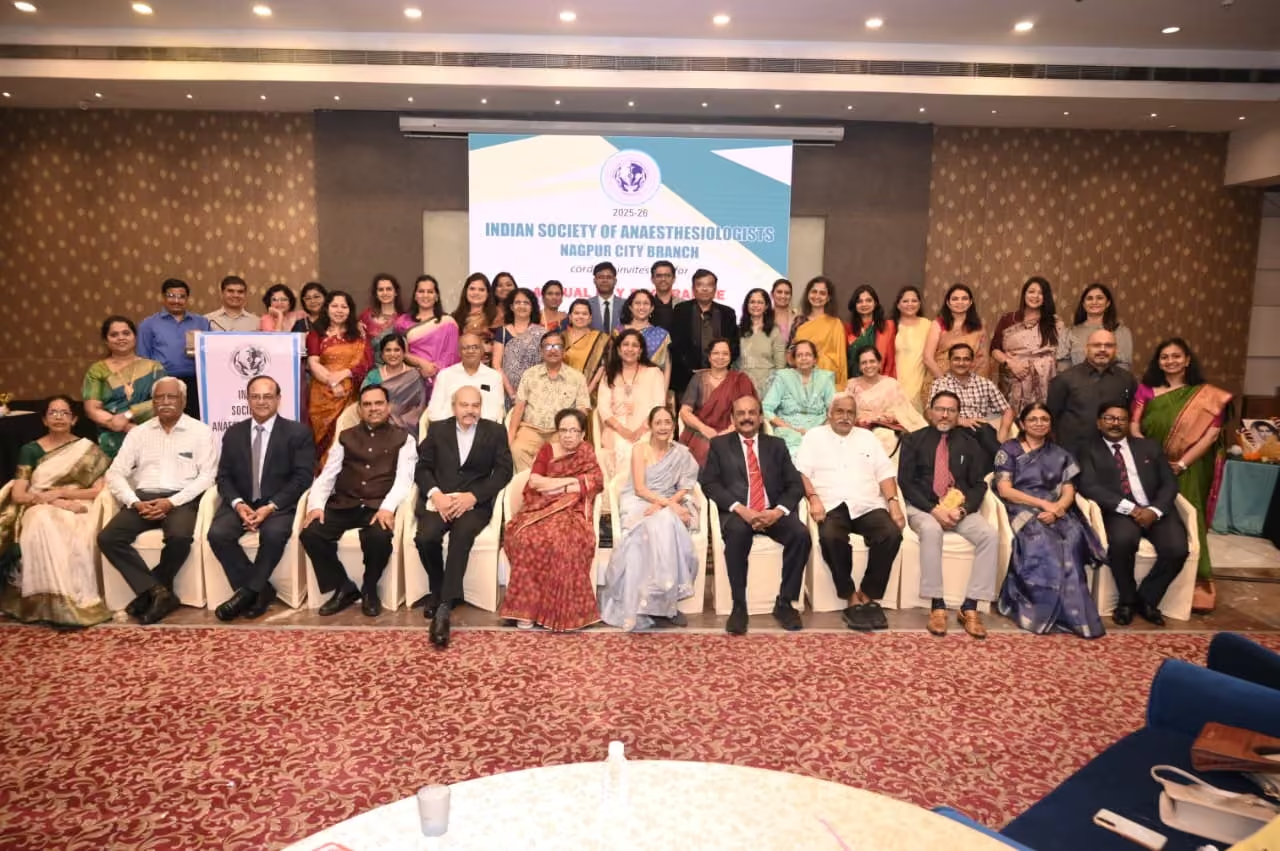
ISA Nagpur City Branch celebrated its Annual Day on 8th August 2026, featuring the Dr. E. G. Tambe Memorial Annual Oration and prestigious awards and felicitations.
View details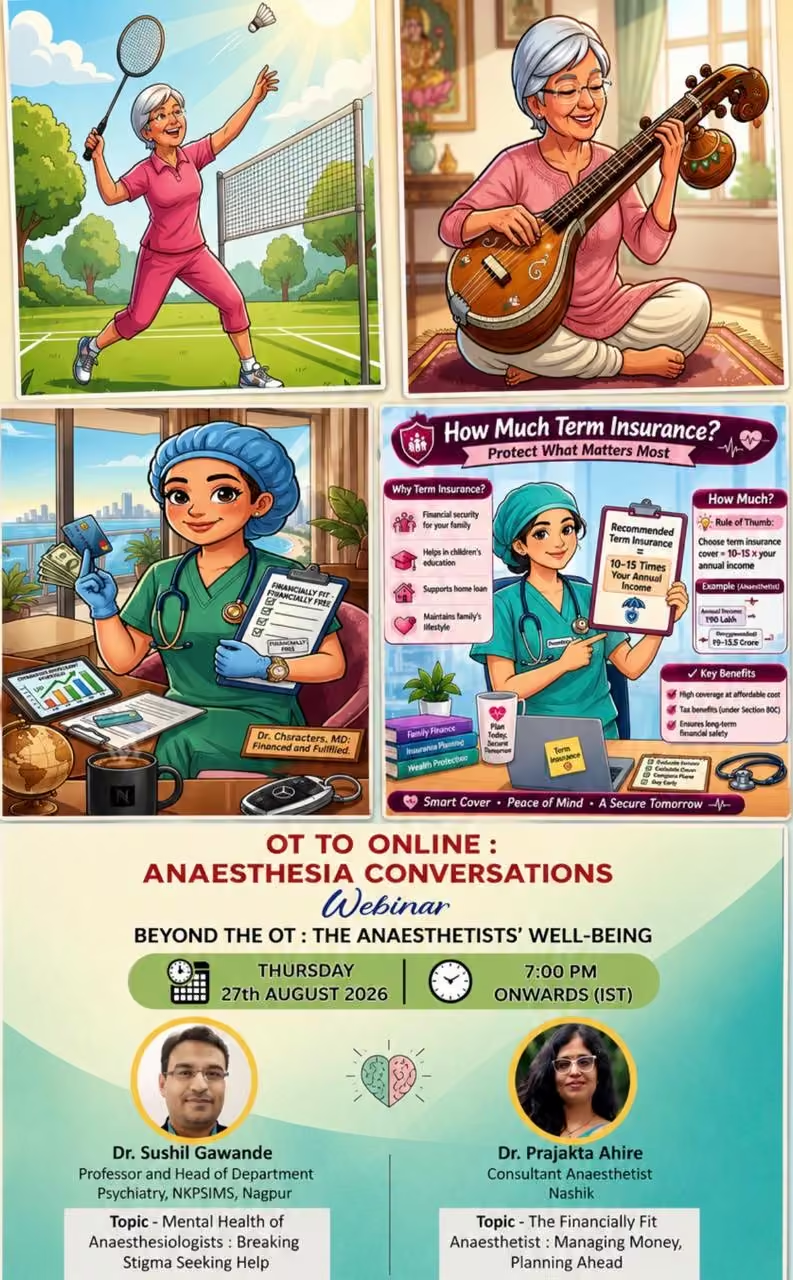
The final webinar of the academic series looked beyond the operation theatre at the mental health and financial fitness of anaesthesiologists.
View details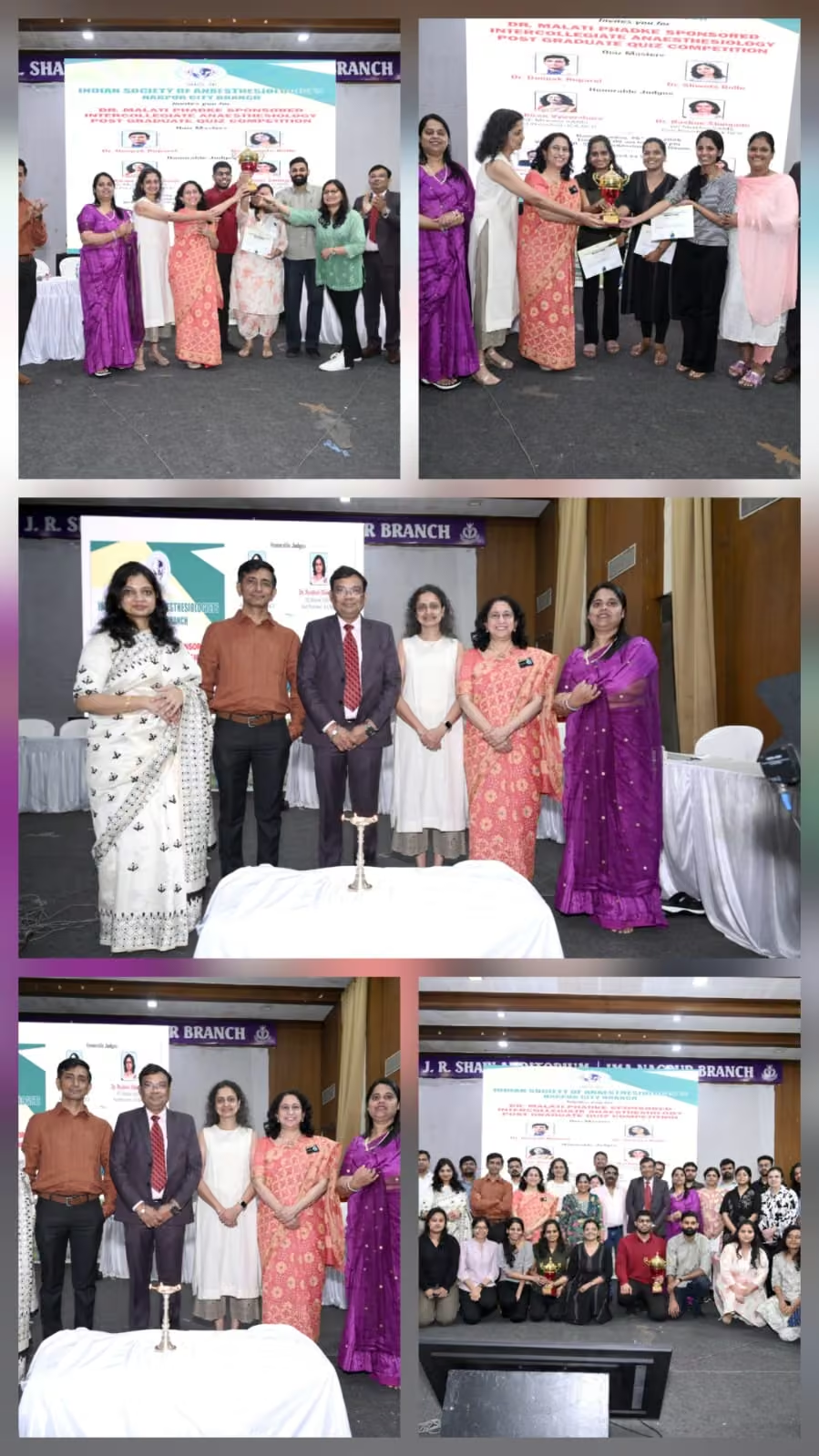
Nine postgraduate teams from medical colleges across the region competed in a multi-round quiz; AIIMS Nagpur emerged as the winner.
View details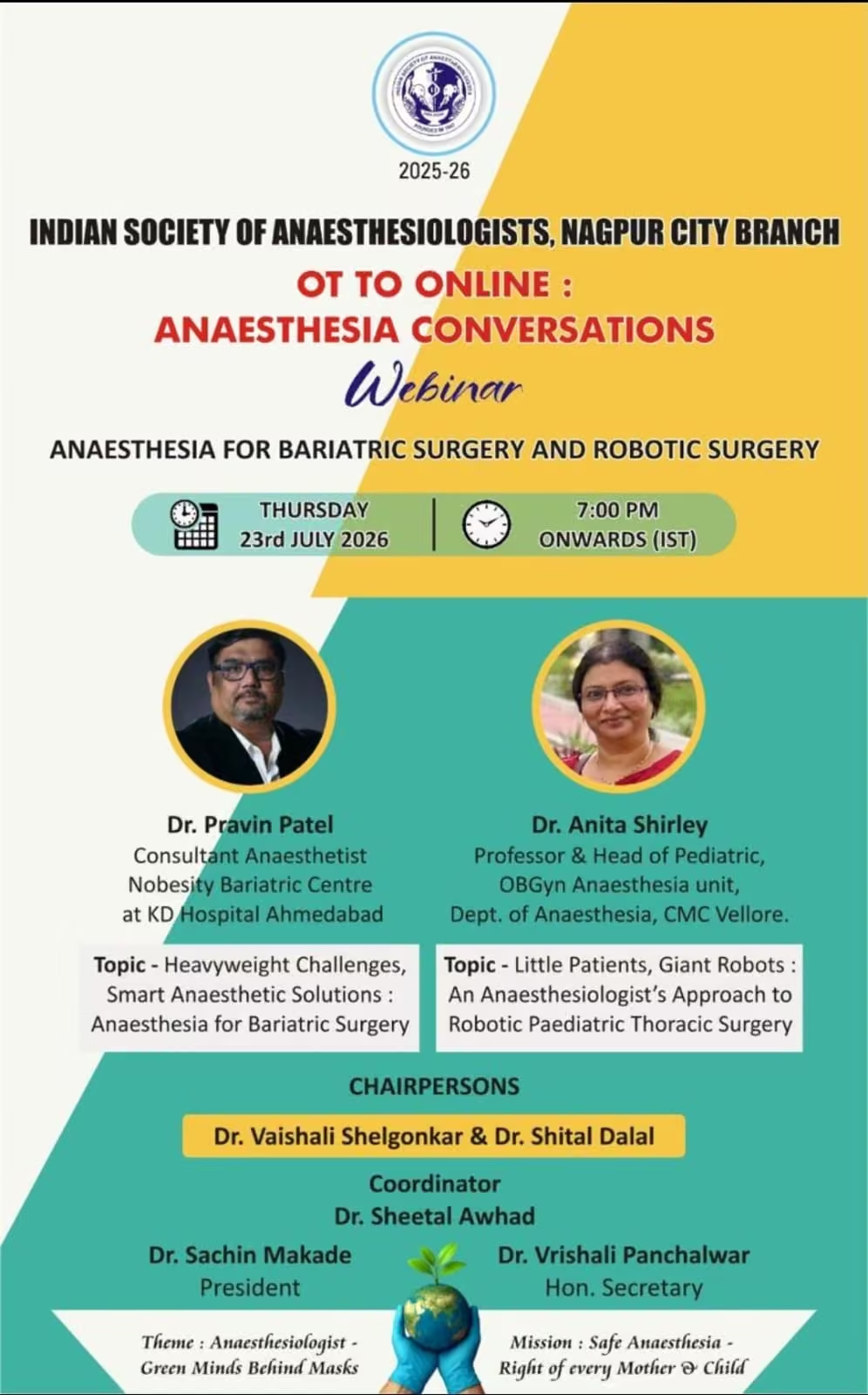
The third webinar covered the anaesthetic management of bariatric patients and the evolving role of anaesthesia in robotic paediatric thoracic surgery.
View details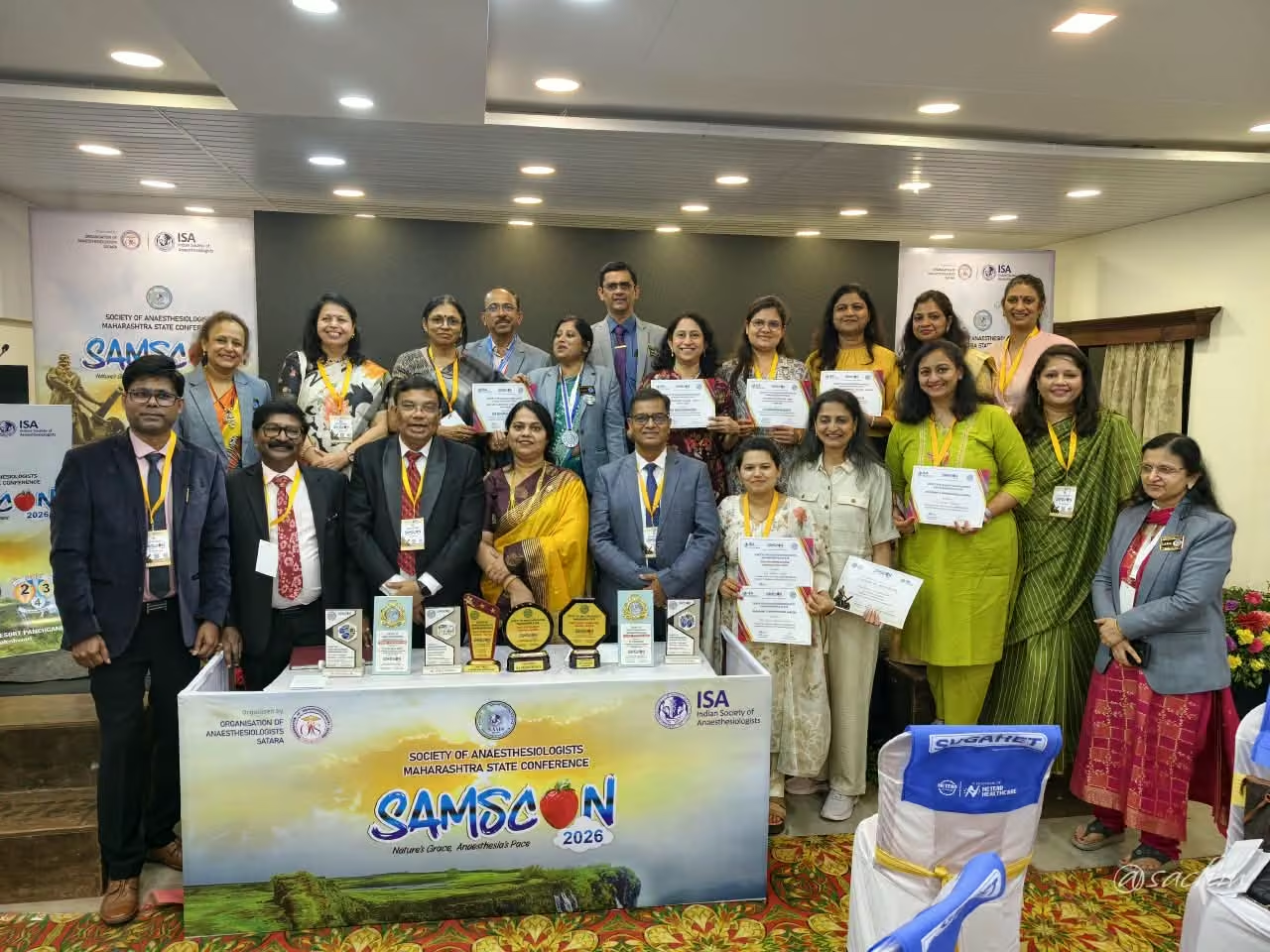
Congratulations to all participants!
Dr. Saurabh Barde was formally installed as President-Elect of the Society of Anaesthesiologists Maharashtra State (SAMS) for 2026–27 at SAMSCON 2026.
Dr. Shweta Bulle completed her MBA in Hospital and Health Systems Management from BITS Pilani.
Dr. Kirti Gujarkar completed her PhD in Health Professions Education.
Photo Gallery
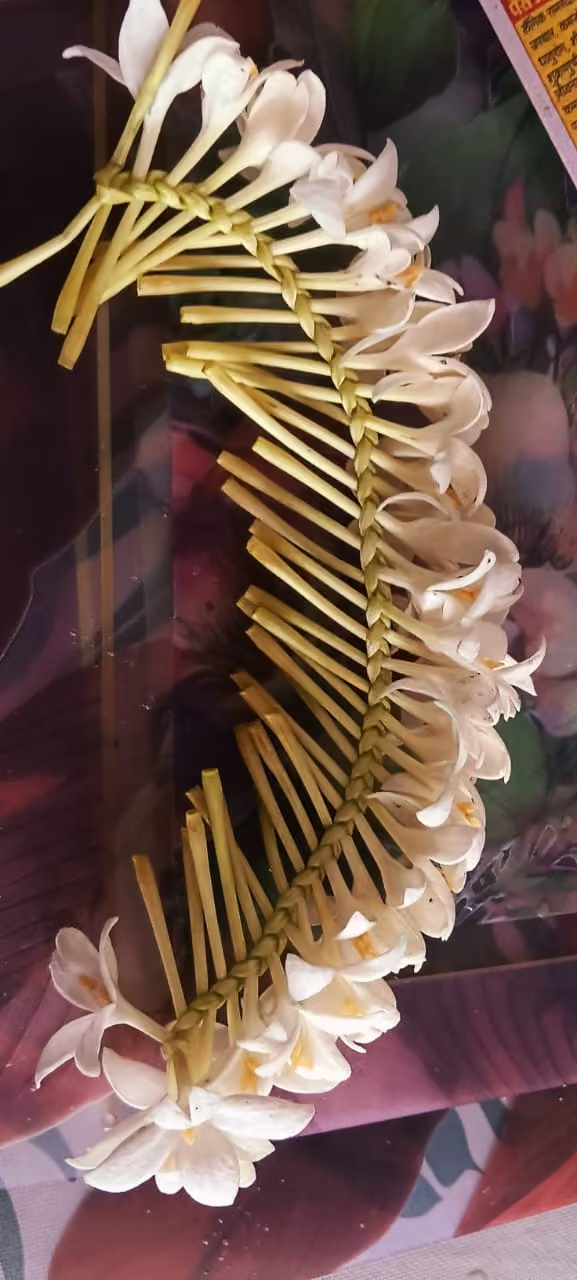
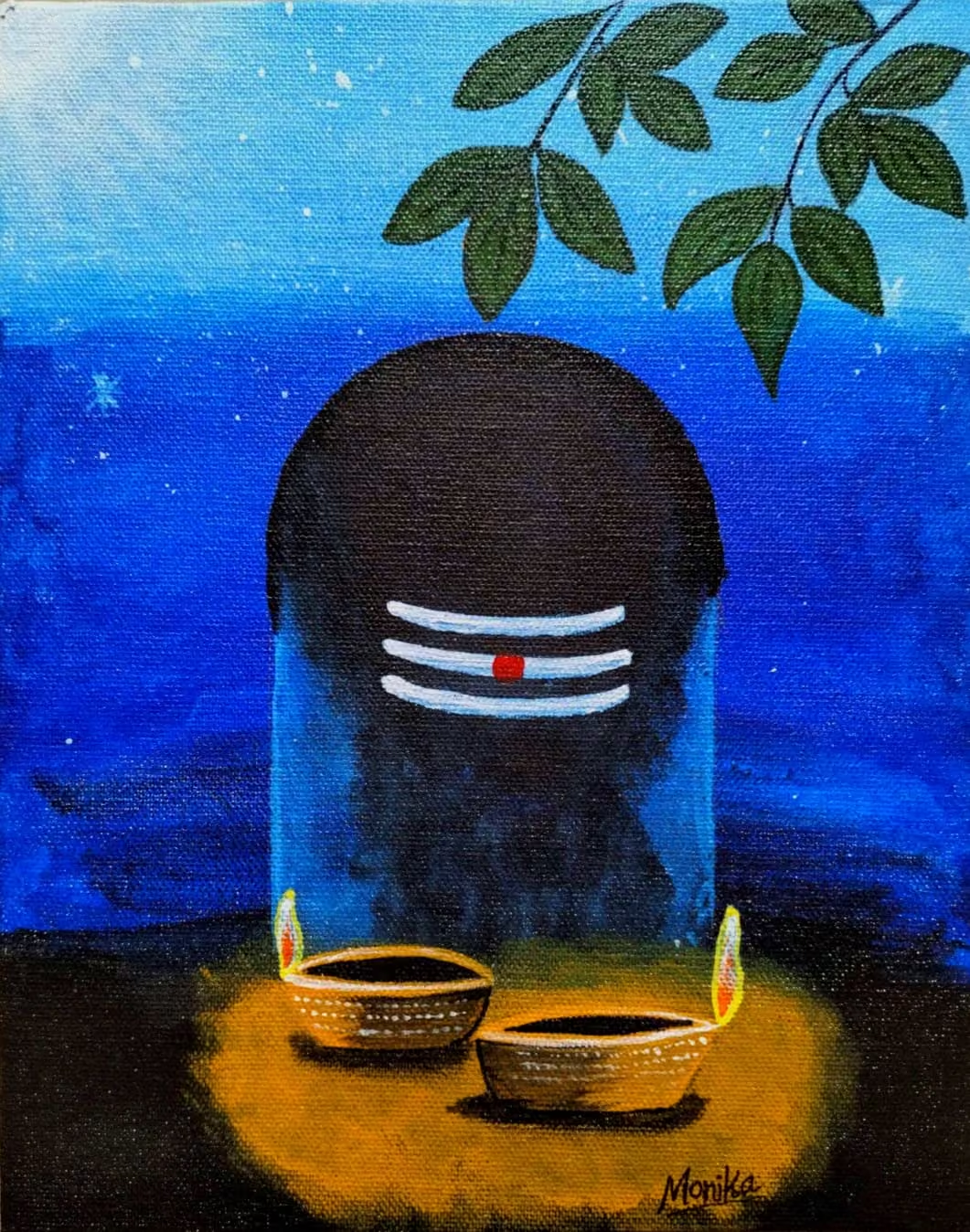

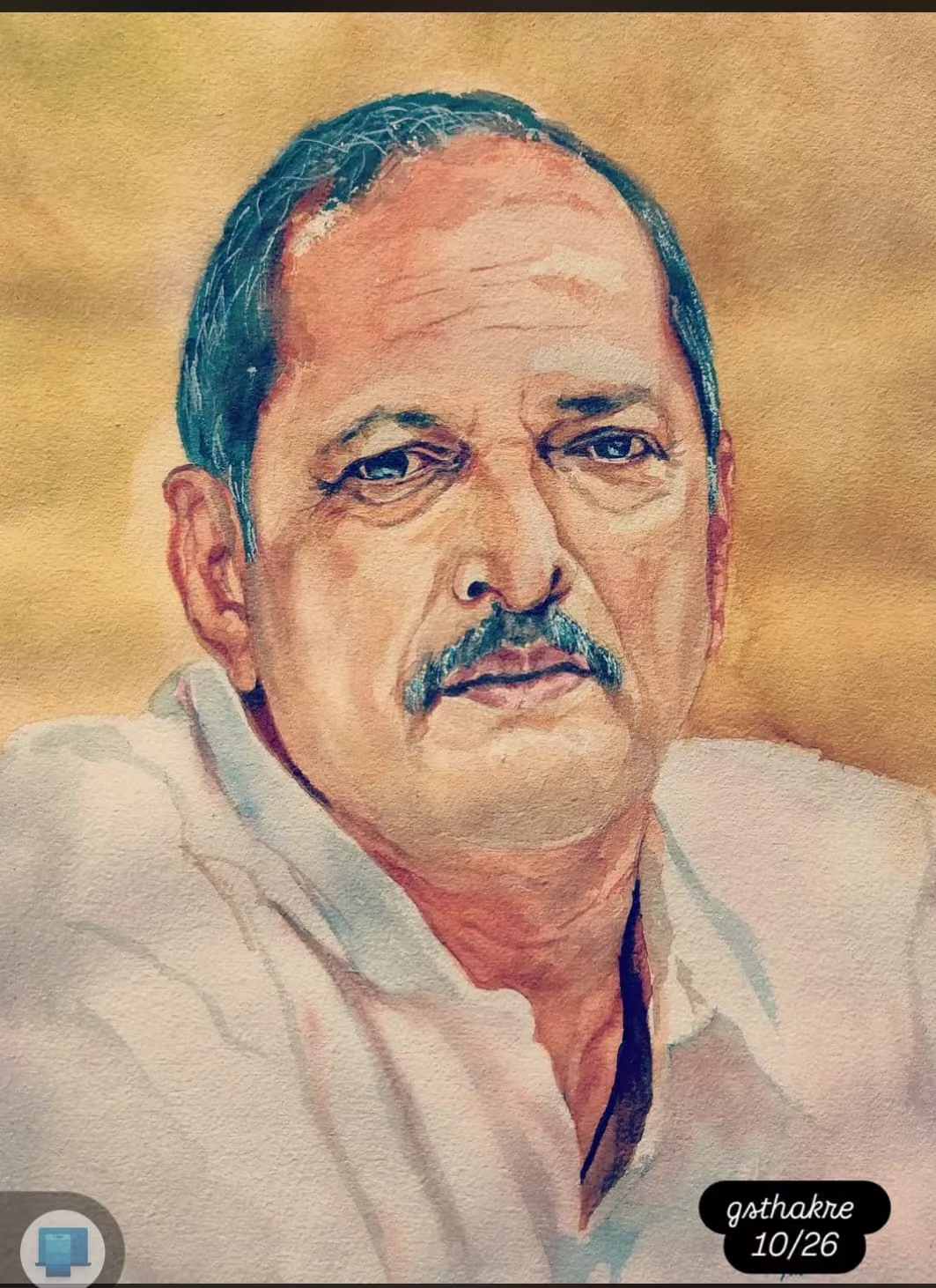
हर गम को भूल चले हमटीचर और दोस्तों के बीचअपनी अलग दुनिया बुन चले हम...
कभी कोई संकट आएचक्कर आके कोई गिर जाएया कभी किसी का जी घबराएहॉस्पिटल जाने तक, और डॉक्टर के आने तकहम किसी की जान बचाएँ....
जान बचाने की तरकीब सीखने चले हम1-2 1-2 करके 30 तक खींच चले हम..कहाँ, कैसे और कितना है जोर लगाना...इस पहेली को सुलझाने को सीख चले हम......
स्कूल हो या क्लासपिकनिक हो या खेल का मैदानघर के अंदर हो या बाहरहर जगह अपनी इस कला को ले चले हमइन नन्हे हाथों से किसी की जान बचाने का ज्ञान सीख चले हमइस ज्ञान को स्कूल से घर ले चले हम…
For postgraduates in Anaesthesiology.
Various COLS / BCLS activities, lectures on Pancharakshak, First Aid and the Role of Anaesthesiologists — in Government, Private, Corporate and individual hospitals.
For postgraduate students.
Representation of ISA NCB members.
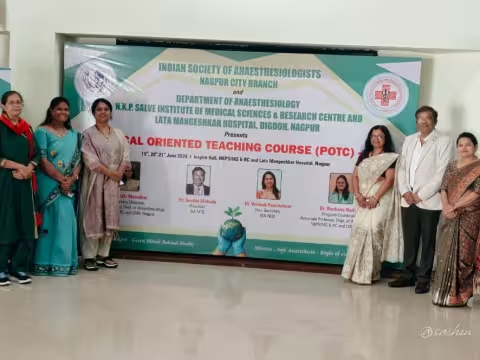 ISA–NCB Conducts Practical Oriented Teaching Programme (POTC) 2026 for MD Anaesthesiology StudentsJune 24, 2026ISA–NCB organized its annual Practical Oriented Teaching Programme (POTC) 2026, equipping 60 postgraduate anaesthesiology students with practical knowledge and exam-oriented training from experienced faculty.
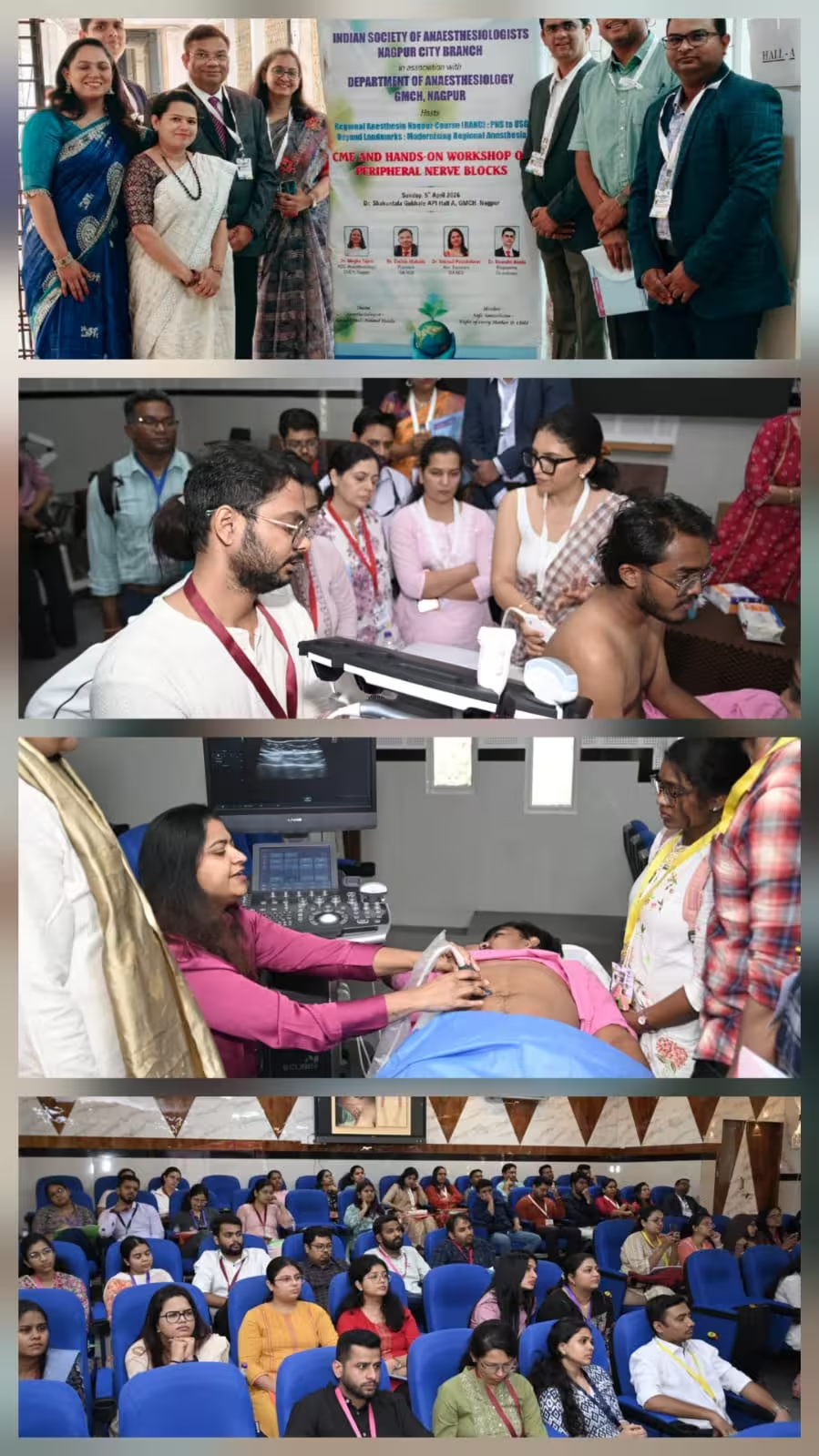 ISA–NCB Conducts CME & Hands-on Workshop on Modern Regional AnaesthesiaApril 7, 2026ISA–NCB and GMCH Nagpur organized a CME and hands-on workshop on peripheral regional nerve blocks, bringing together 104 delegates for expert-led scientific sessions and practical ultrasound-guided training.
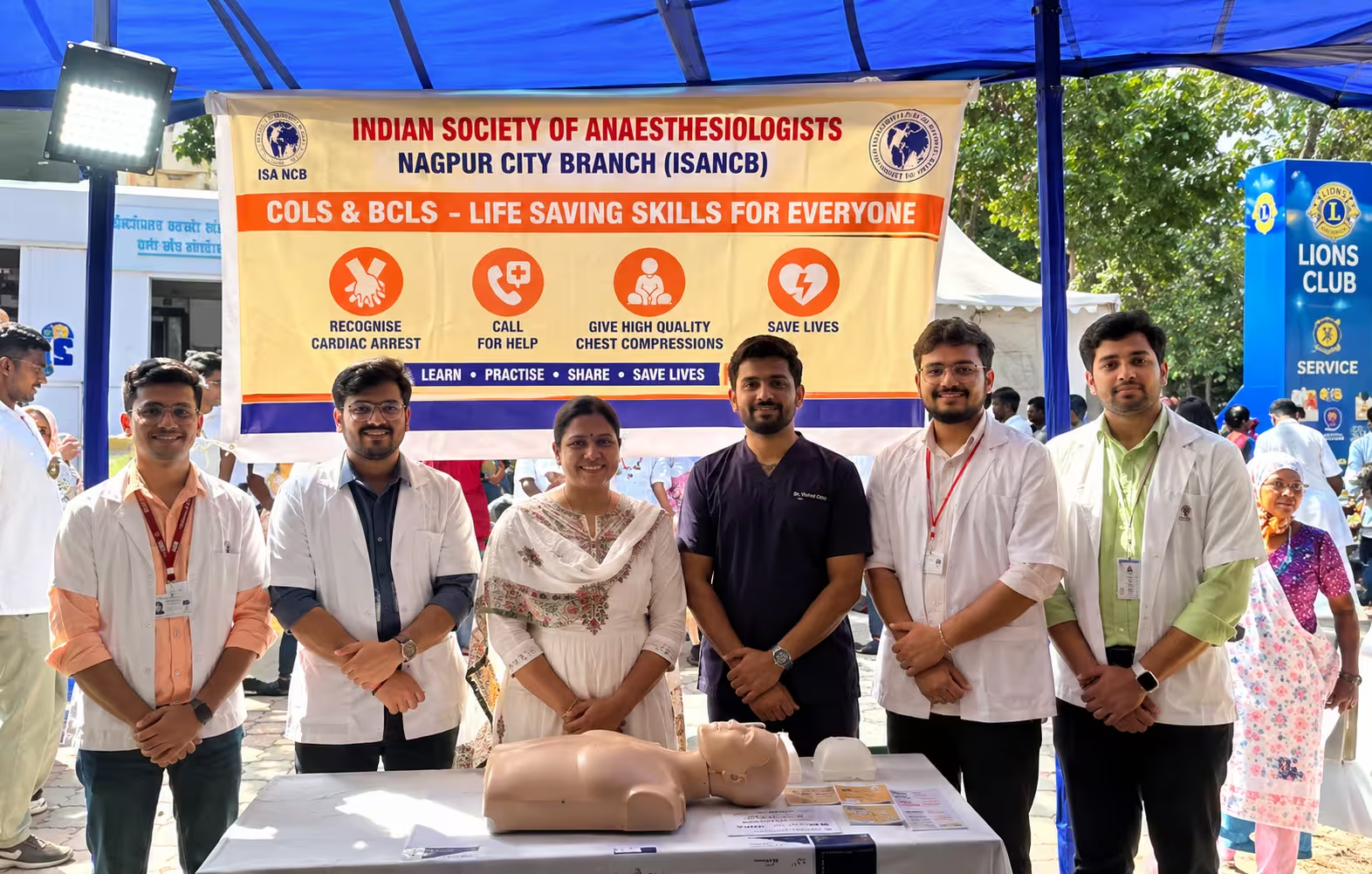 ISANCB and IGGMC Conduct COLS and BCLS Demonstrations at Deekshabhoomi Medical Health Check-Up CampOctober 23, 2026The Indian Society of Anaesthesiologists, Nagpur City Branch (ISANCB), in collaboration with the Indira Gandhi Government Medical College (IGGMC) team, conducted Compression-Only Life Support (COLS) and Basic Cardiac Life Support (BCLS) demonstrations at the Deekshabhoomi Medical Health Check-Up Camp on 20 October 2026. The initiative aimed to promote awareness of life-saving techniques among medical students […]
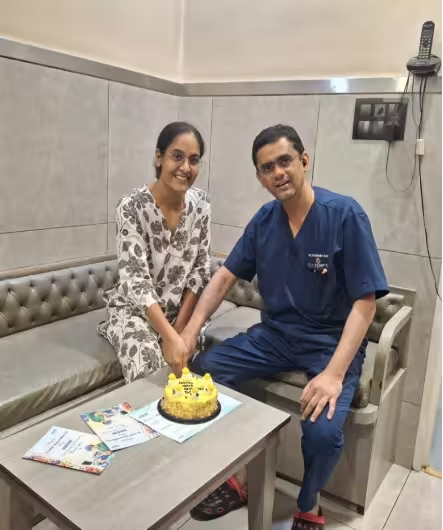 World Anaesthesia Day Celebration at the Hospital of Dr Saurabh Barde and Dr Poonam ShekhawatOctober 24, 2026As part of the World Anaesthesia Day celebrations, Dr Saurabh Barde, President-Elect of SAMS, and Dr Poonam Shekhawat marked the occasion at their hospital. The celebration recognised the important contribution of anaesthesiologists to patient safety, surgical care, pain management, and emergency medicine. It also highlighted the value of raising awareness about anaesthesia and its role […]